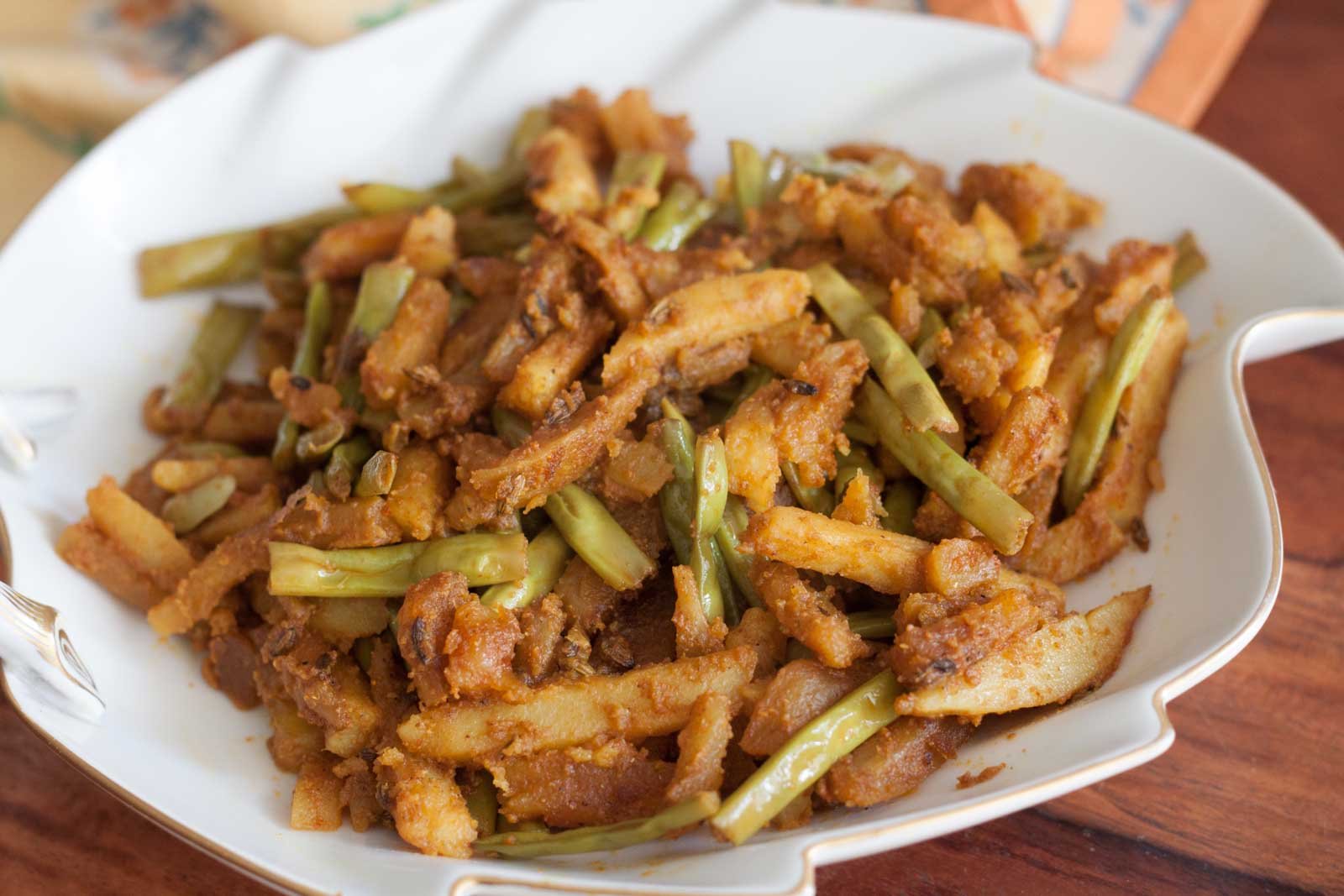
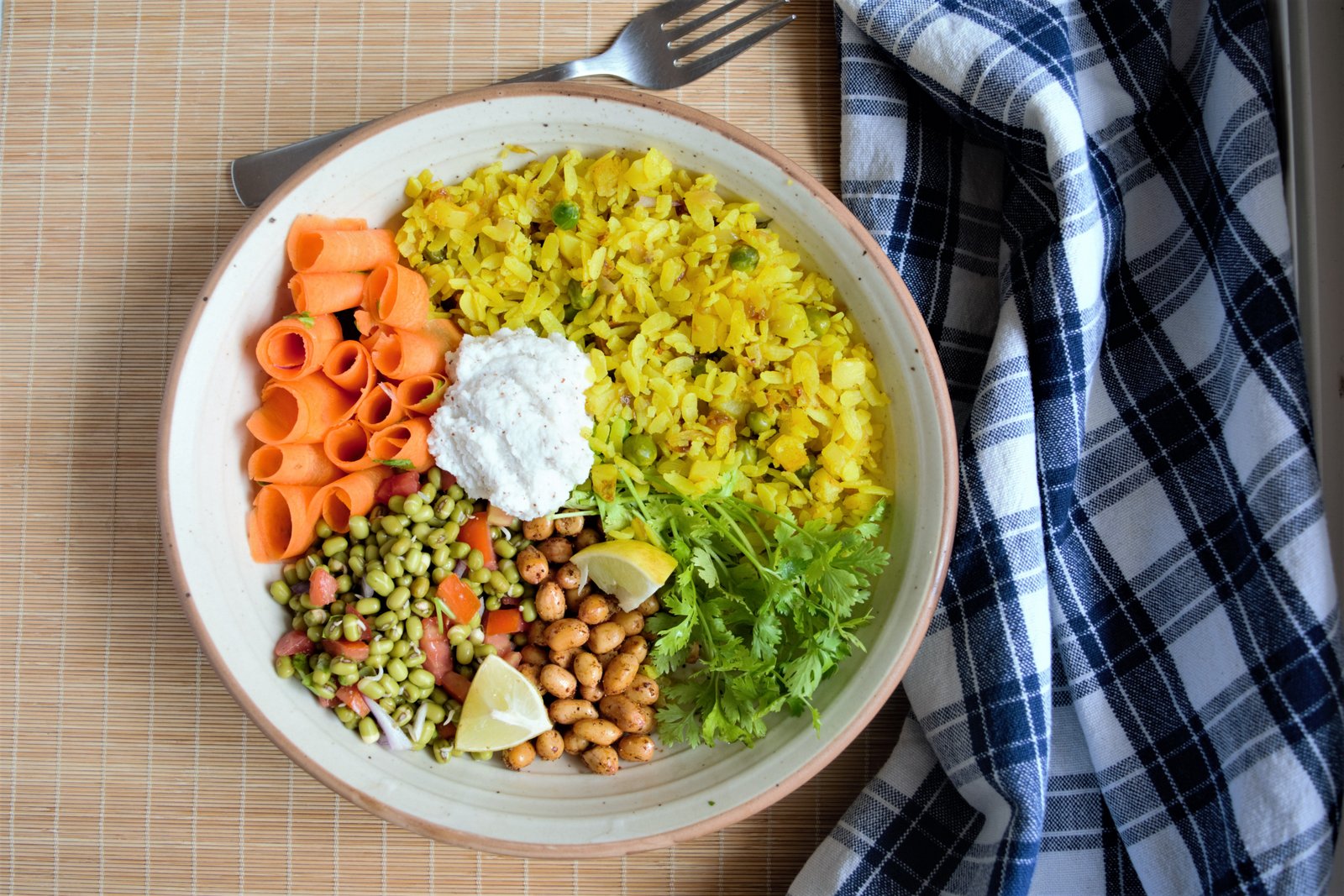
This chart is for the six-to-twelve years, when a child's day is ruled by the school bell and their nutrition quietly decides how the day goes. It follows the Indian Academy of Pediatrics' plainest rules for this age: never skip breakfast — about one in five Indian school children do, and it shows up in attention and mood before it shows up anywhere else — cover the five food groups daily, keep eating occasions to meals plus two snacks, and leave the packaged snacks out of the house.
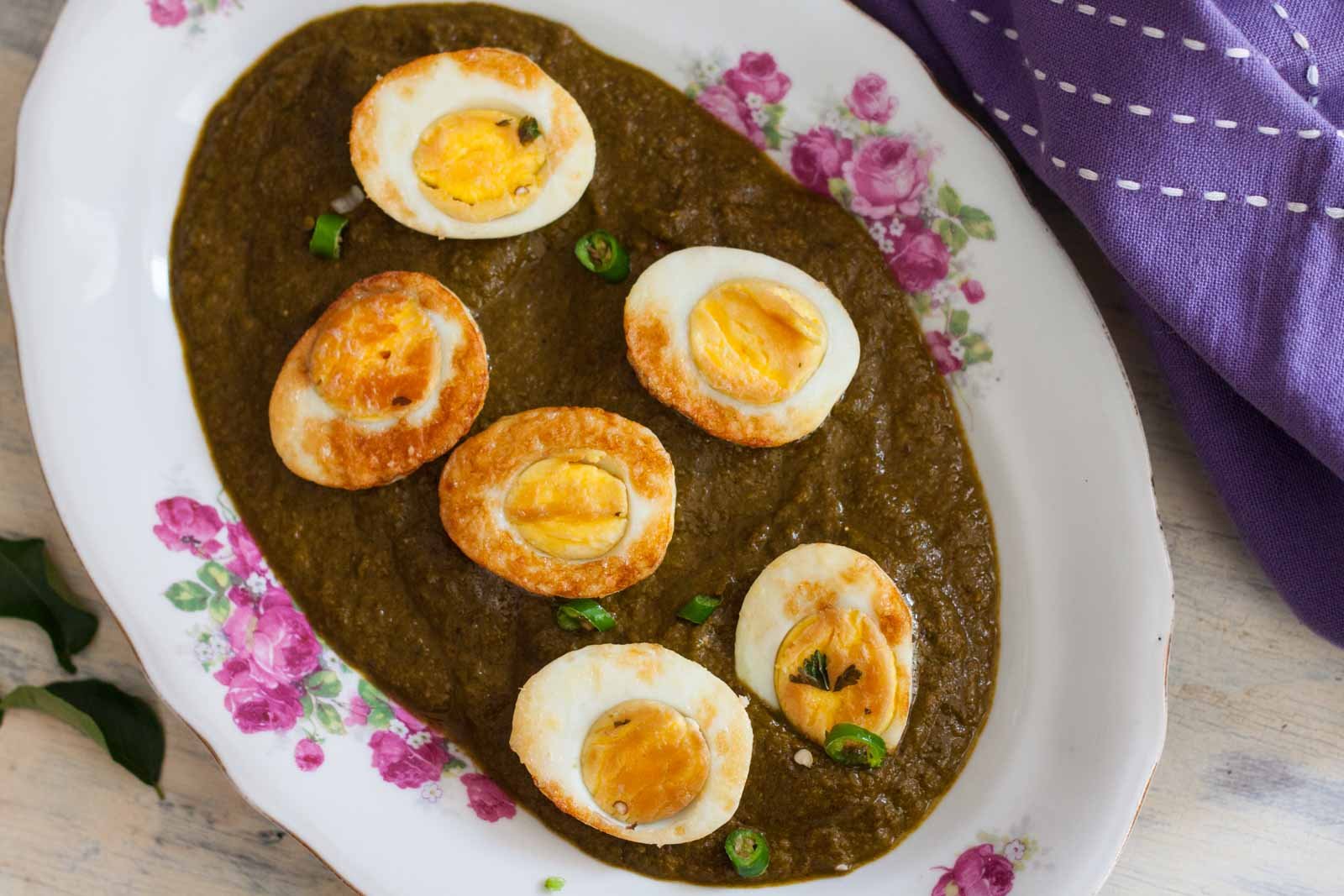
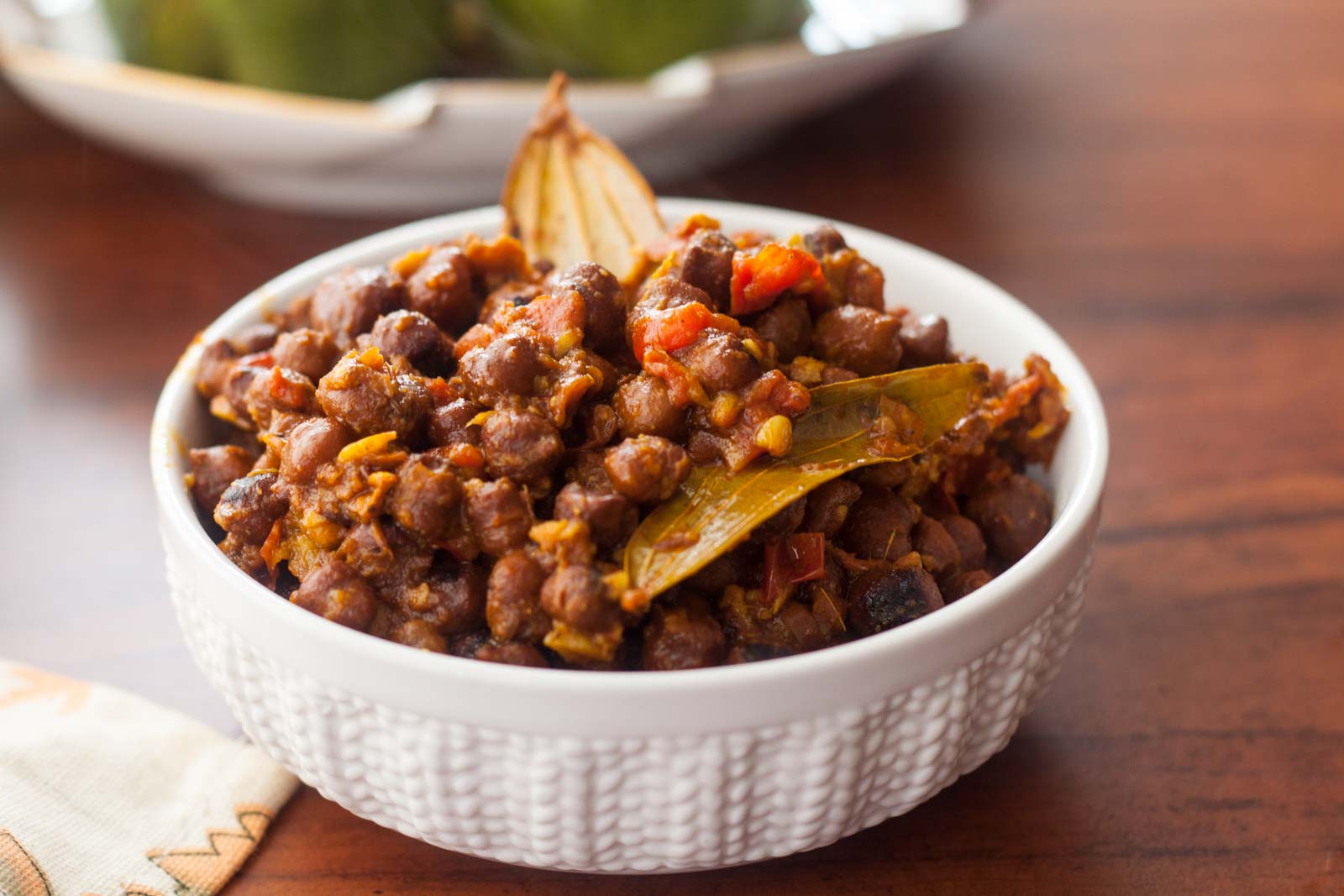
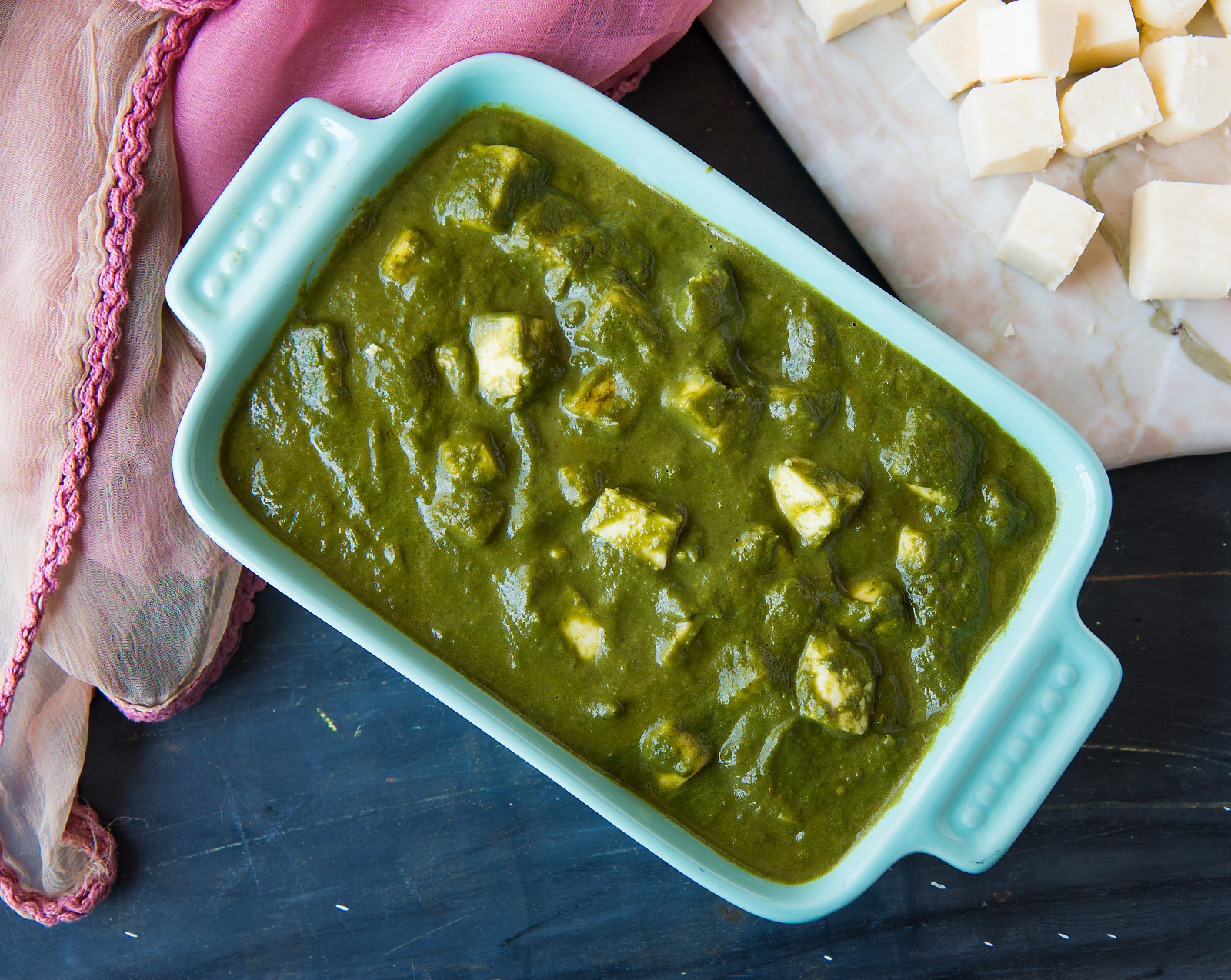
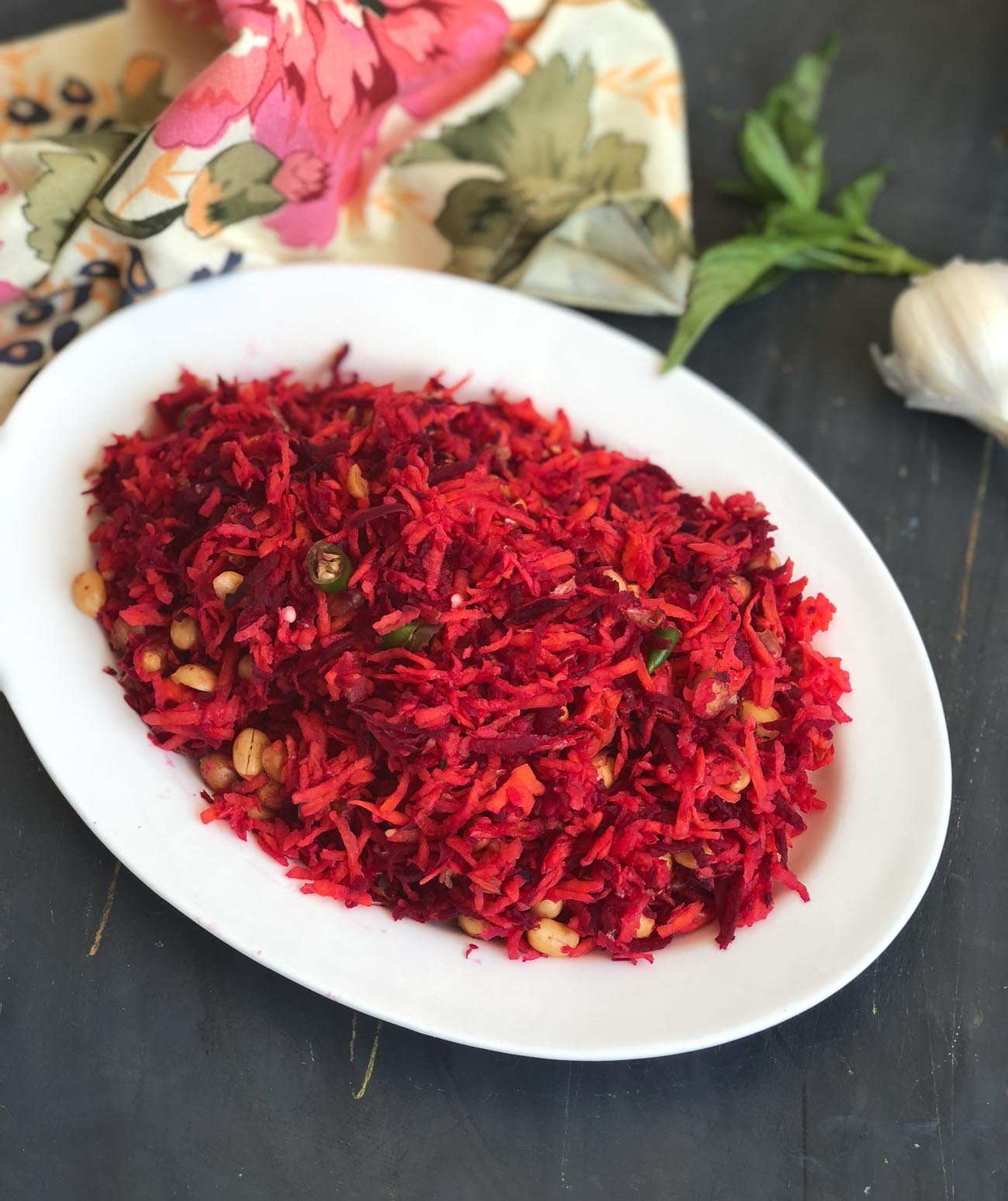
A seven-to-nine year old needs about 1,700 kcal and 23 g of protein a day by ICMR-NIN 2020; a ten-to-twelve year old, roughly 2,100 kcal and 32 g. The meals here average about 1,430 kcal in child portions, with fruit and an evening milk closing the gap. Protein anchors every day — eggs four times, all at home meals, with dal, paneer, sprouts, soya and ragi carrying the rest. Iron and calcium get deliberate attention: palak twice, beetroot, ragi, curd and milk daily.
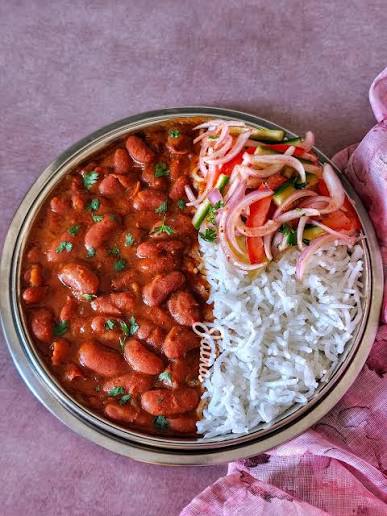
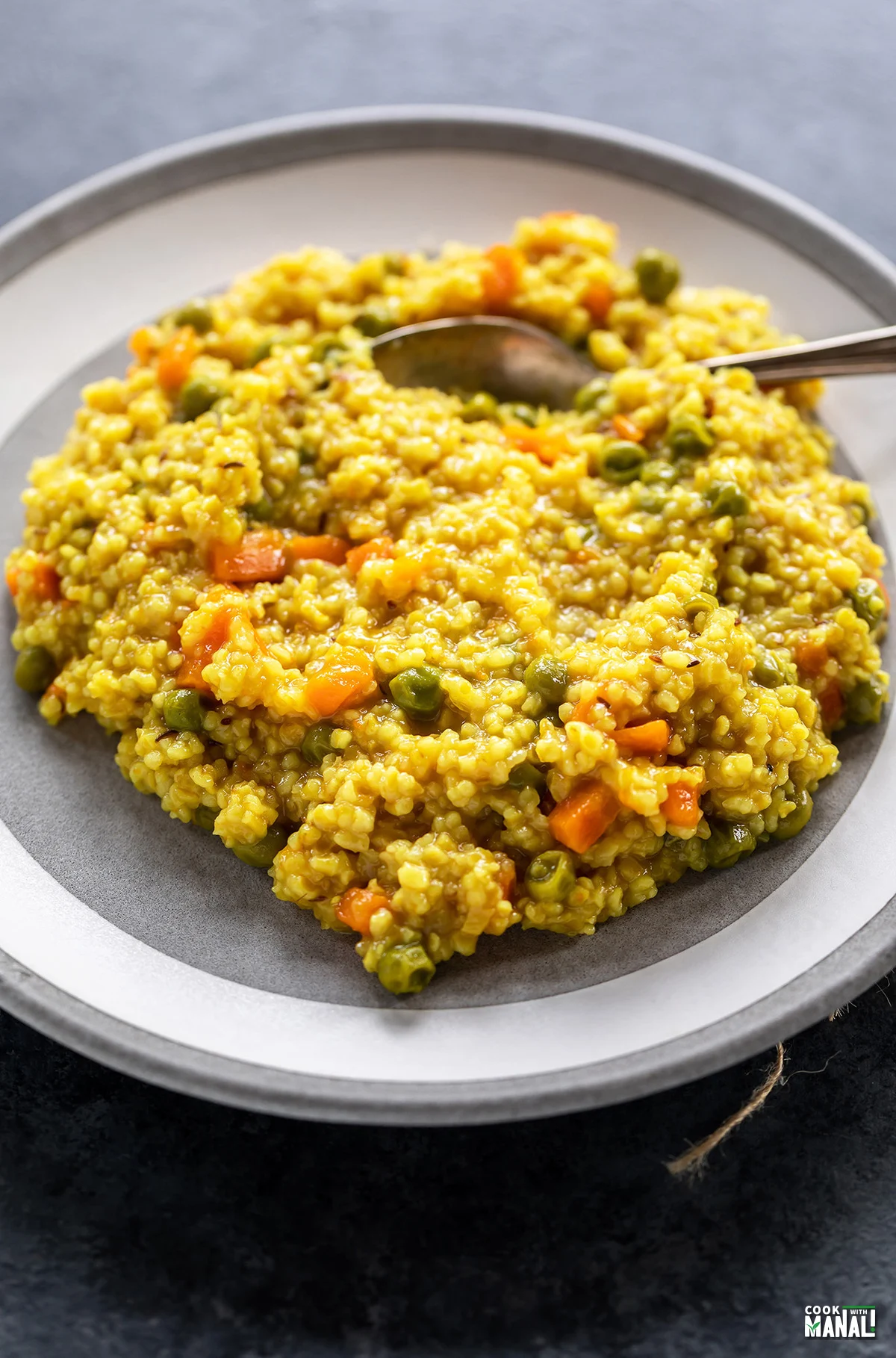
Lunches are written to work packed or at plate — khichdi and rajma chawal travel in a thermos, the phulka-dal-salad days go in a dabba, and the eggs deliberately stay at breakfast and dinner. Grocery quantities are written for two adults and two school-going children.