Paryushan Meal Plan — 7 Days Without Root Vegetables, Leafy Greens or Fermented Food

Seven days of satvik Gujarati cooking for Paryushan — no root vegetables, no leafy greens, nothing fermented, and every dinner cooked to be eaten before sunset.

All 21 meals land in a free planner — edit them, shop from them, download them.

Already have an account? Sign in first — the plan lands in your own planner.

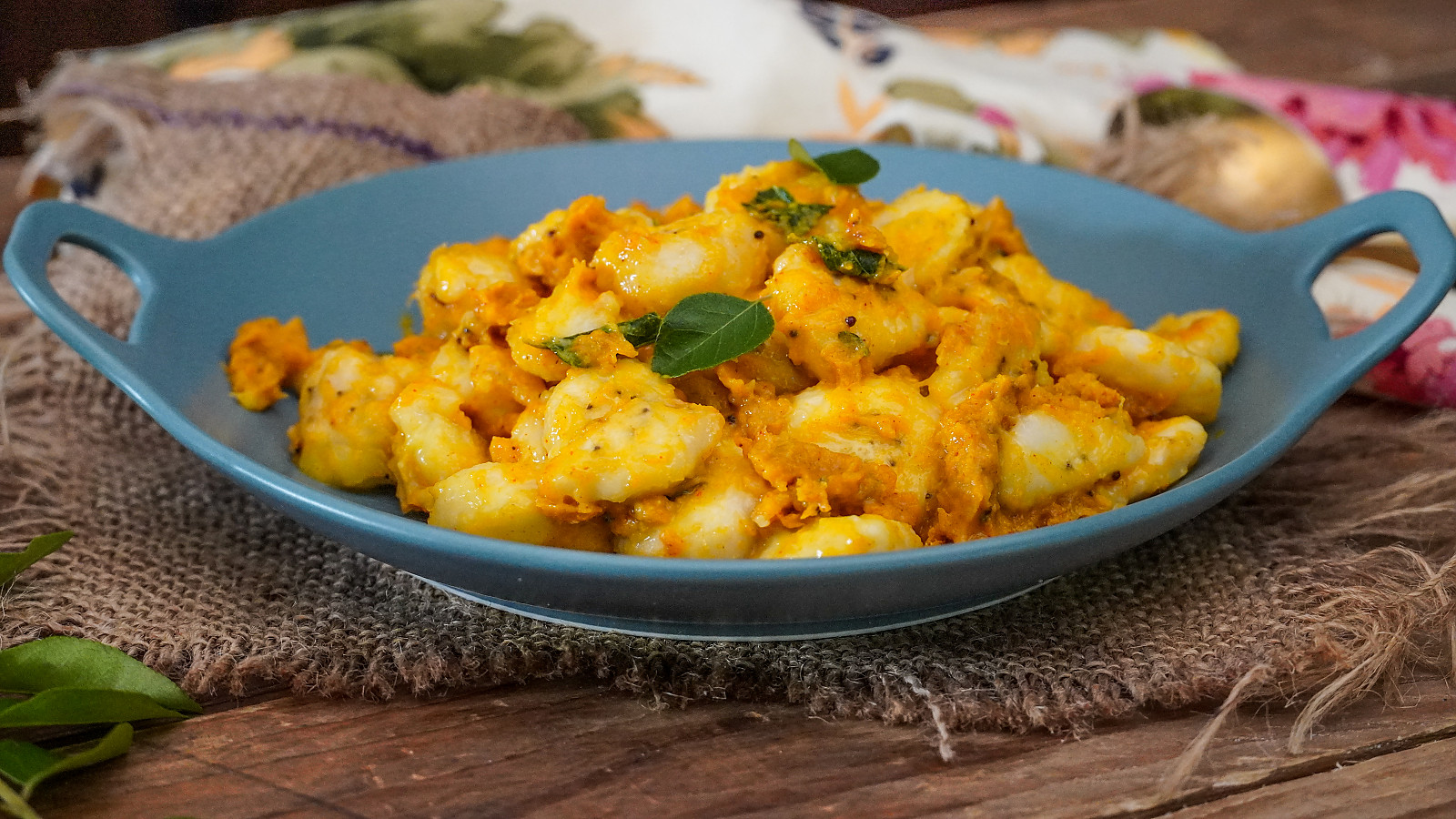
Paryushan Meal Plan — Dal dhokli with ghee

Plan at a glance

Calories
1,430 kcal
per day
Estimated cost
₹2,600
per week
Preparation time
35 min
per day, hands-on
Difficulty
Easy
to cook
Diet
Jain
family

About this plan

Paryushan is eight days, and three things leave the kitchen for all of them. Root vegetables go, as they do in any Jain kitchen. Leafy greens go too — not just palak and methi but coriander, mint and curry leaves, which is the rule that most changes how you cook, because it takes away every green chutney and every fresh garnish. And anything that needs an overnight ferment goes: no dhokla, no khaman, no handvo, no idli or dosa. Food is eaten between sunrise and sunset only.

This week is written for the seven days that need cooking. The eighth, Samvatsari, is the most widely fasted day of the Jain year, so it carries no menu at all. What the seven days do carry is ordinary satvik Gujarati food — dal, bhaat, rotli and a gourd shaak, kadhi khichdi, dal dhokli, muthiya, sukhadi, lapsi, bajra rotla — and deliberately not farali food. Paryushan is not a grain fast: those who eat, eat normally, and those keeping upvas eat nothing, so a week built on sabudana and moraiyo would be answering a question nobody asked.

Every dinner is light and quick enough to be on the table before sunset, for chauvihar. Drinking water is boiled once and used the same day. The grocery list is for a family of four and contains no onion, no garlic, no potato or any other root, and no fresh herbs of any kind — the only curd on it is curd set fresh that morning. And for the morning after Samvatsari, when a fast is broken, the page below has the parna plate: rock-candy water first, then moong nu pani, then soft whole green moong and khichdi with ghee.

paryushanjainfastingno onion no garlicsatvikvegetarianchauvihar

What makes it work

  • No root vegetables, no leafy greens — not even coriander or curry leaves — and nothing that needs an overnight ferment
  • Every dinner is cooked to be eaten before sunset, for chauvihar
  • Not farali food: Paryushan is not a grain fast, so this is everyday satvik Gujarati cooking
  • Seven menus for the eight days — Samvatsari, the eighth, is fasted by most households
  • The parna plate for the morning after, when the fast is broken

The full week, Monday to Sunday

Breakfast, lunch and dinner for all seven days. Import it and every slot lands in your planner, where you can swap any dish.

Paryushan Meal Plan
monday
Breakfast
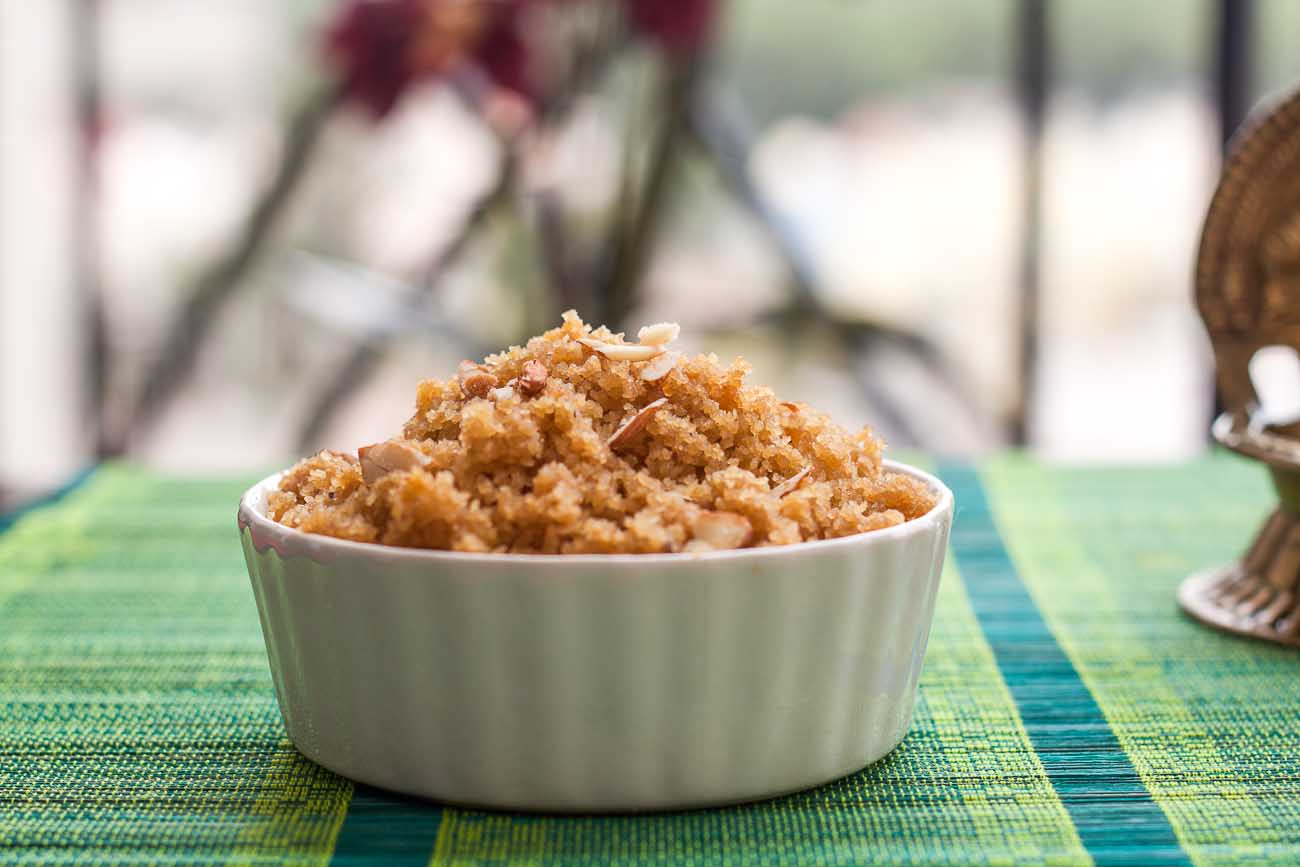
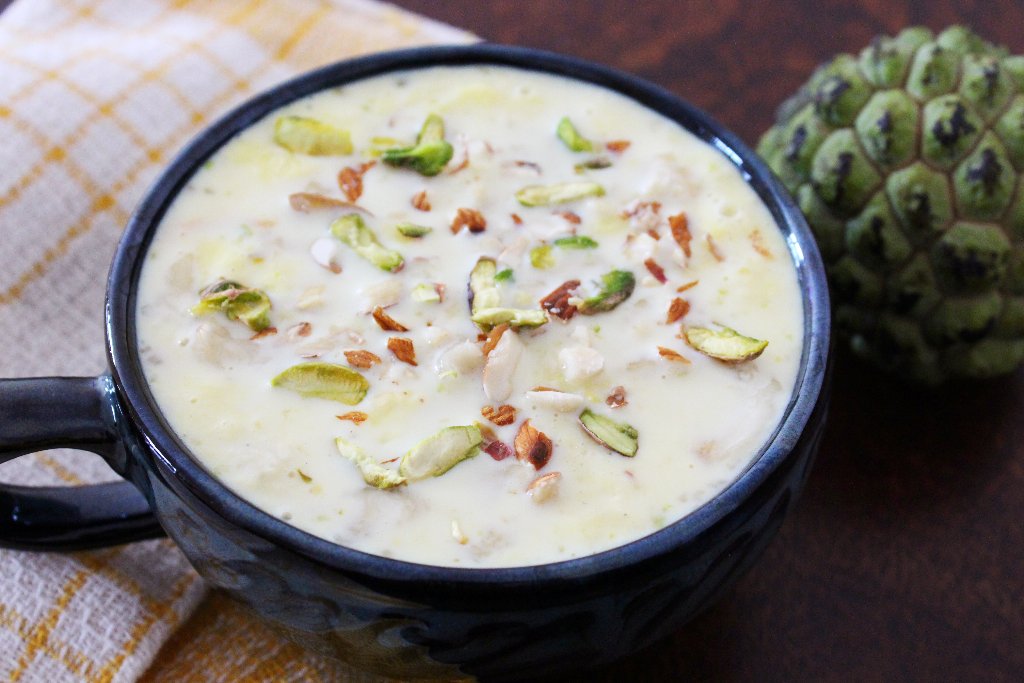
Sukhadi with warm milk
420 kcal
Lunch
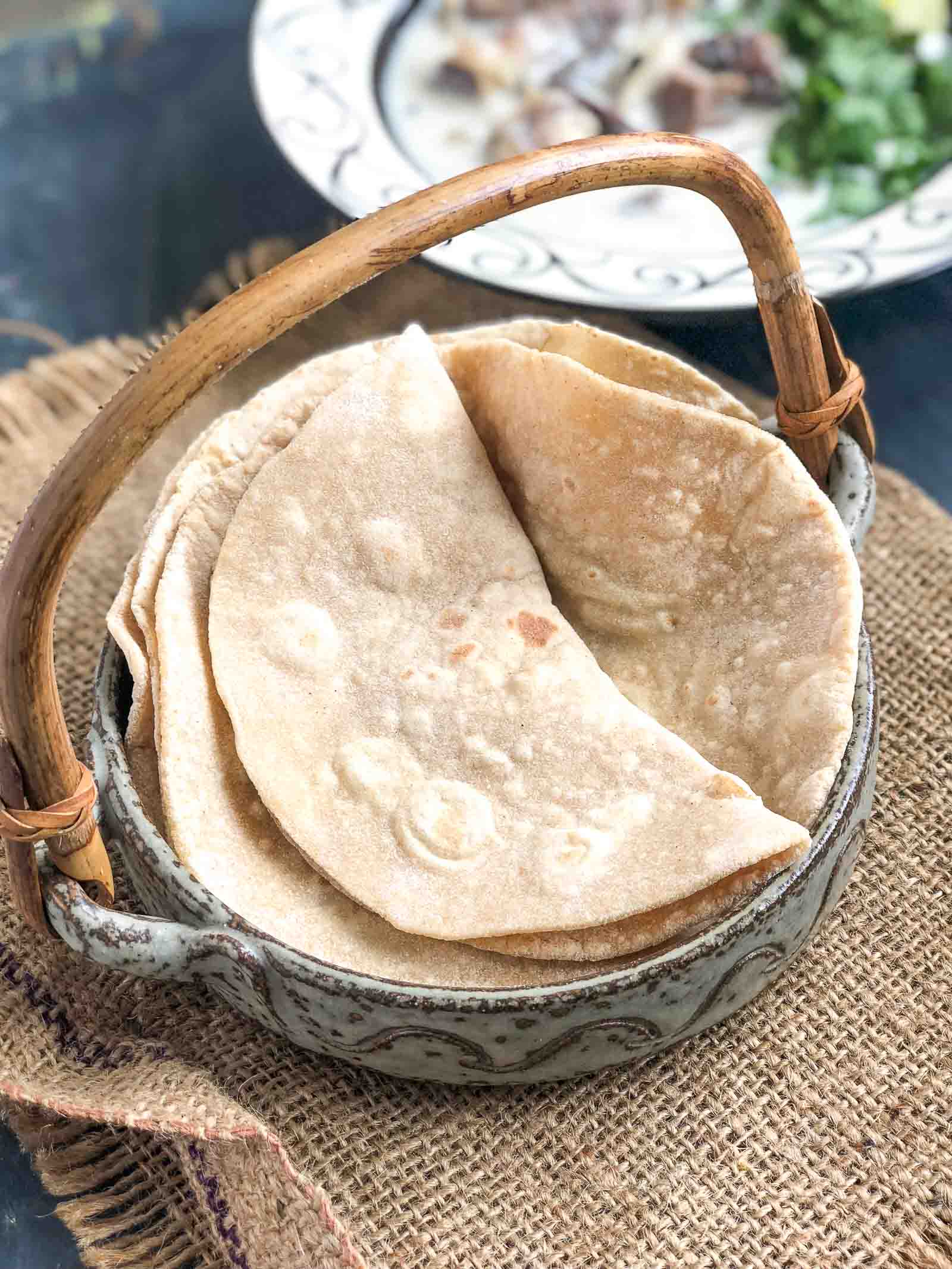
Tuver dal with bhaat, rotli and dudhi nu shaak
570 kcal
Dinner
Moong dal khichdi with ghee and papad
450 kcal
tuesday
Breakfast
Moong dal chilla with dry sesame chutney
340 kcal
Lunch
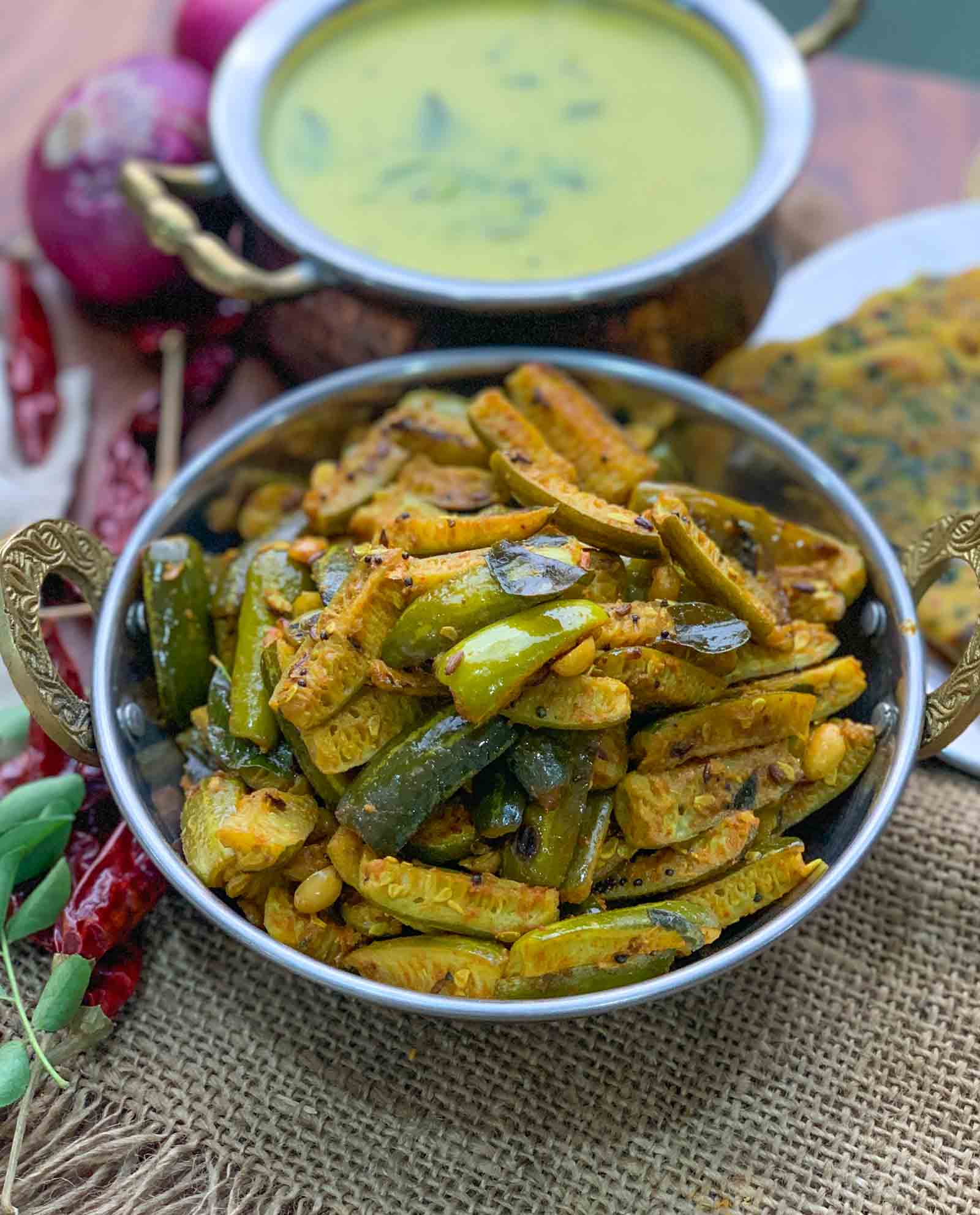
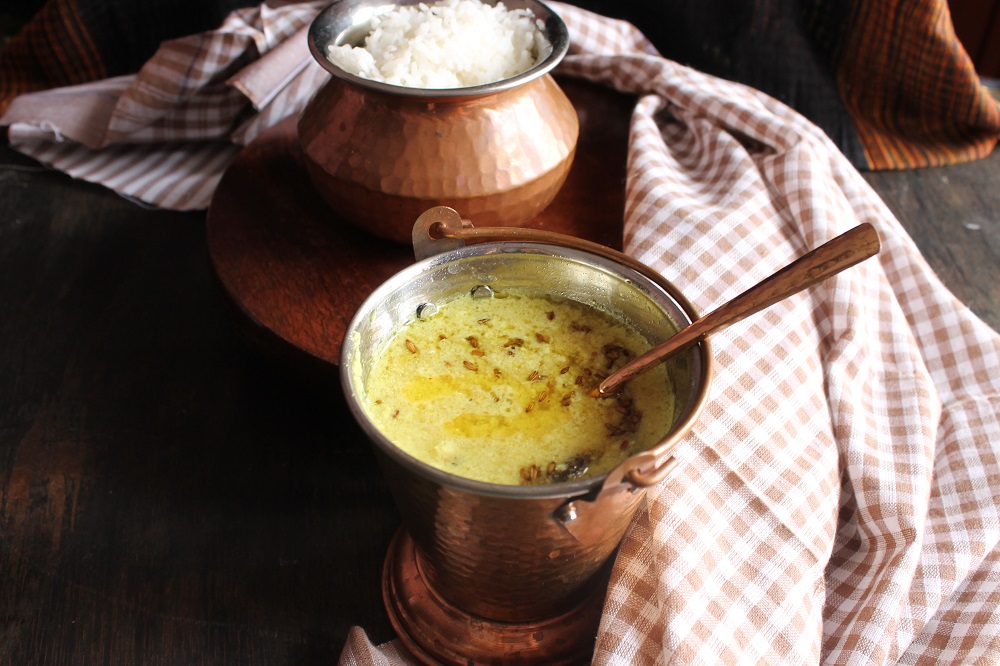
Kadhi khichdi with tindora nu shaak
540 kcal
Dinner
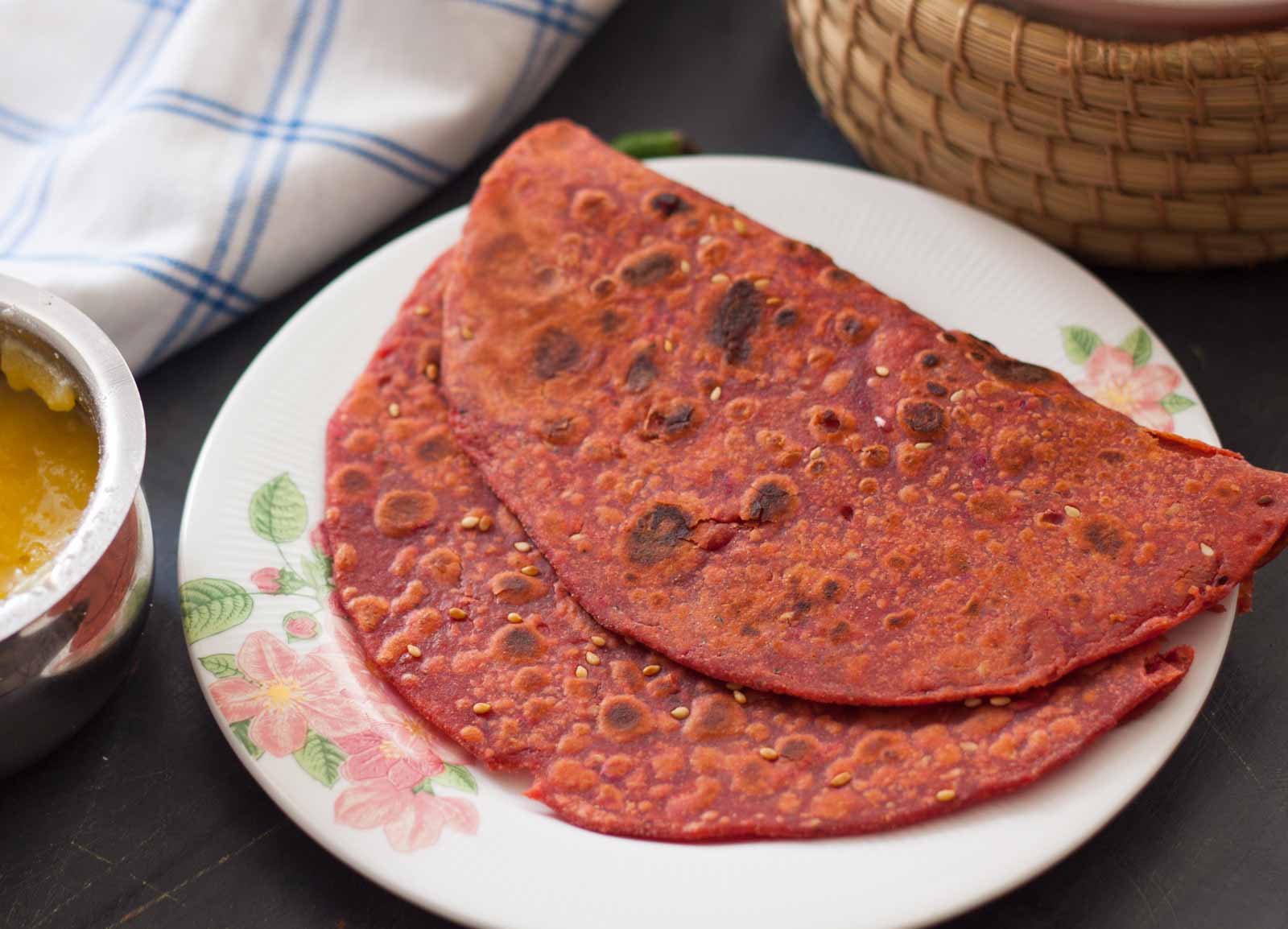
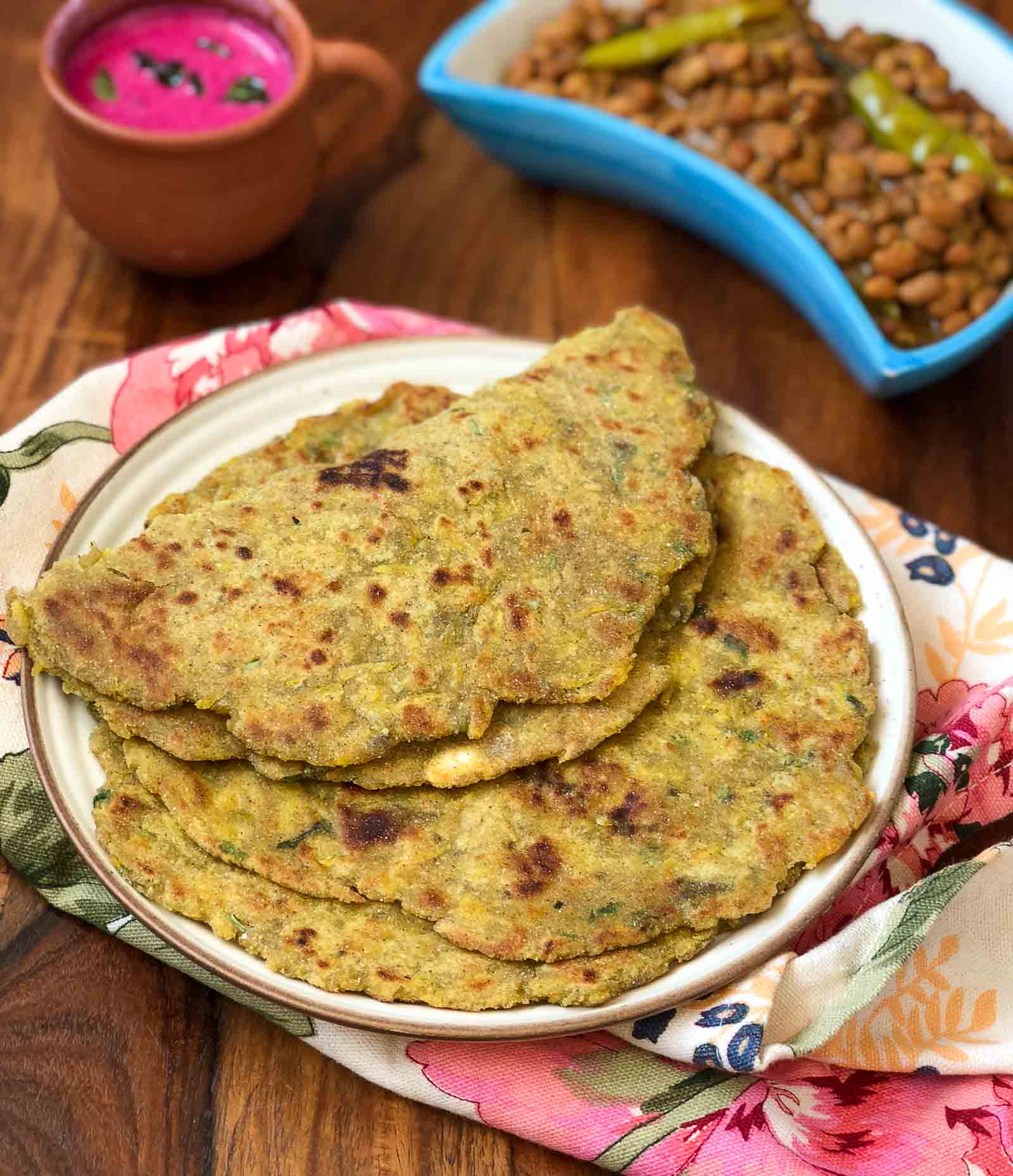
Masala thepla with mag ni dal
490 kcal
wednesday
Breakfast
Lapsi with milk
Lapsi with milk
430 kcal
Lunch
Chana dal with bhaat, rotli and turiya nu shaak
560 kcal
Dinner
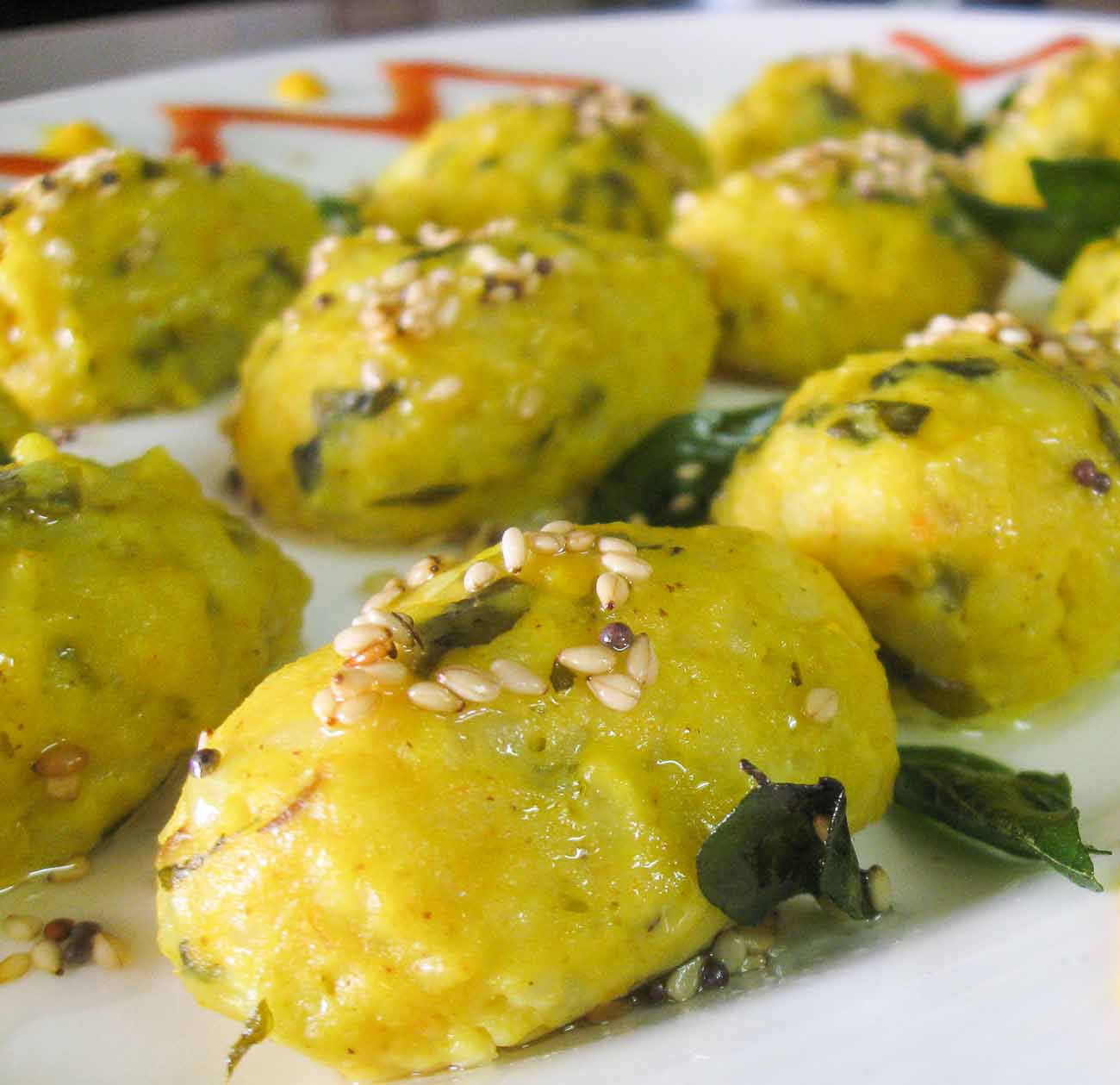
Dudhi muthiya with tomato saar
470 kcal
thursday
Breakfast
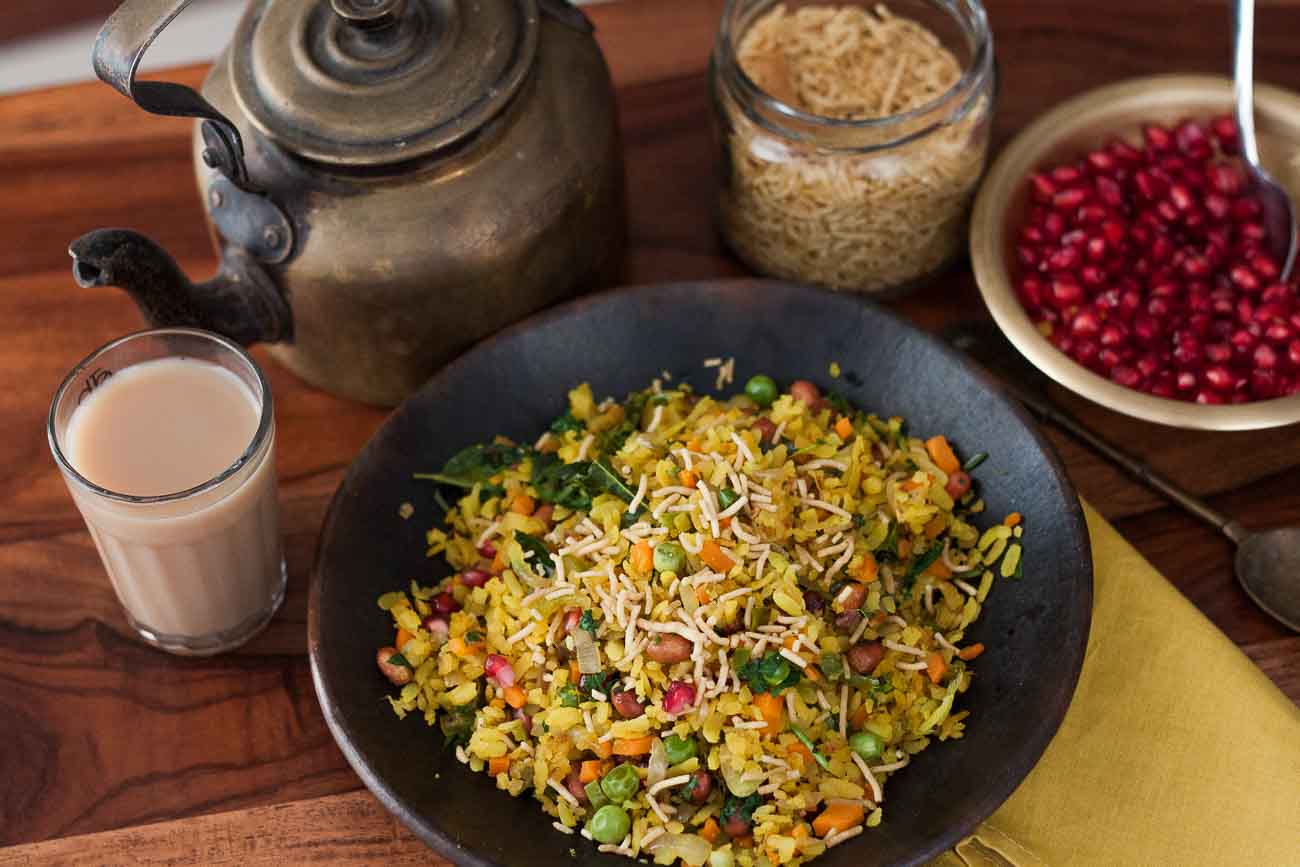
Poha with peanuts
Poha with peanuts
360 kcal
Lunch
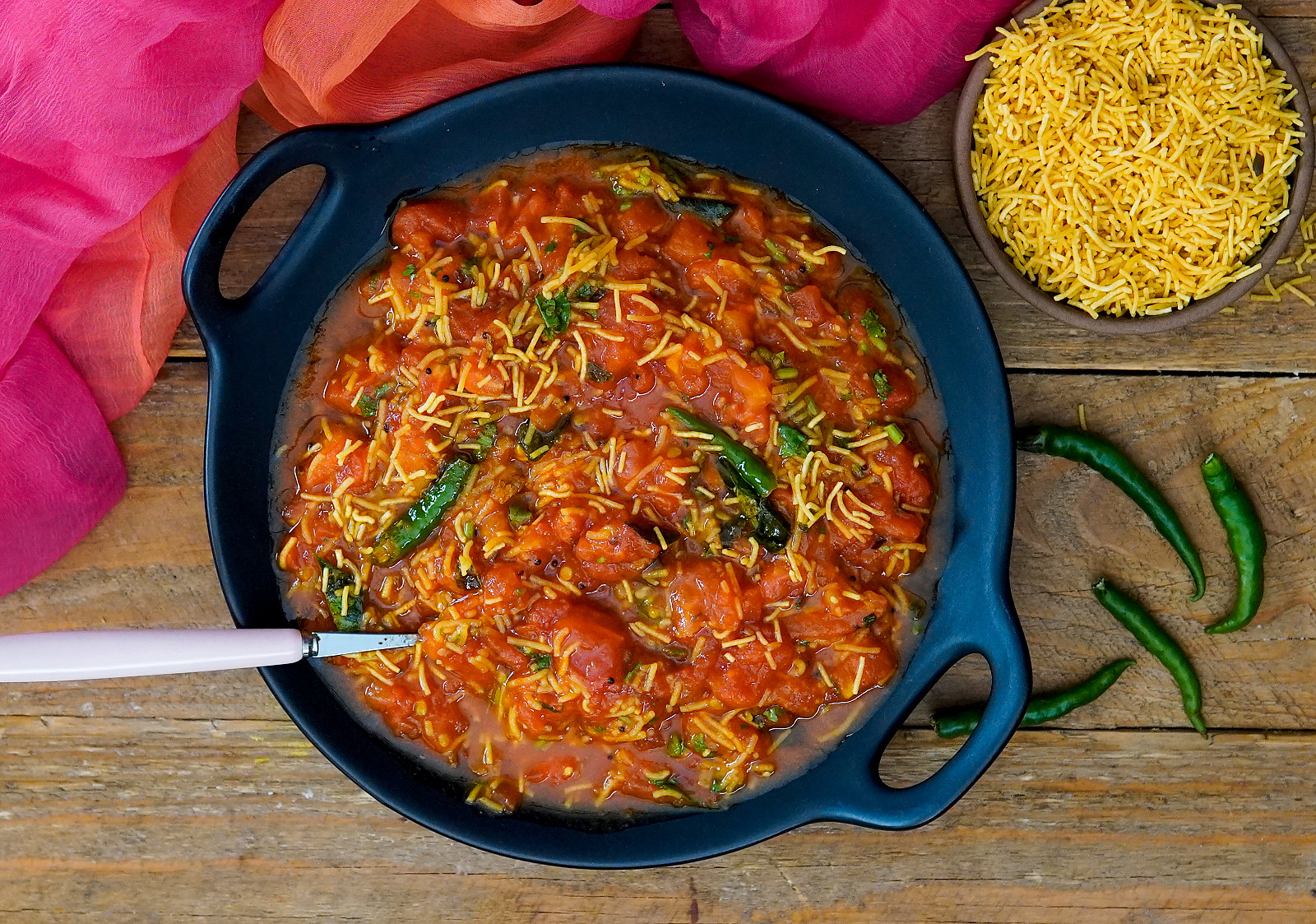
Sev tameta nu shaak with rotli and mag ni dal
540 kcal
Dinner
Rice khichu with hot oil and red chilli
420 kcal
friday
Breakfast
Bajra rotla with ghee and jaggery
450 kcal
Lunch
Jain chana nu shaak with rotli and bhaat
580 kcal
Dinner
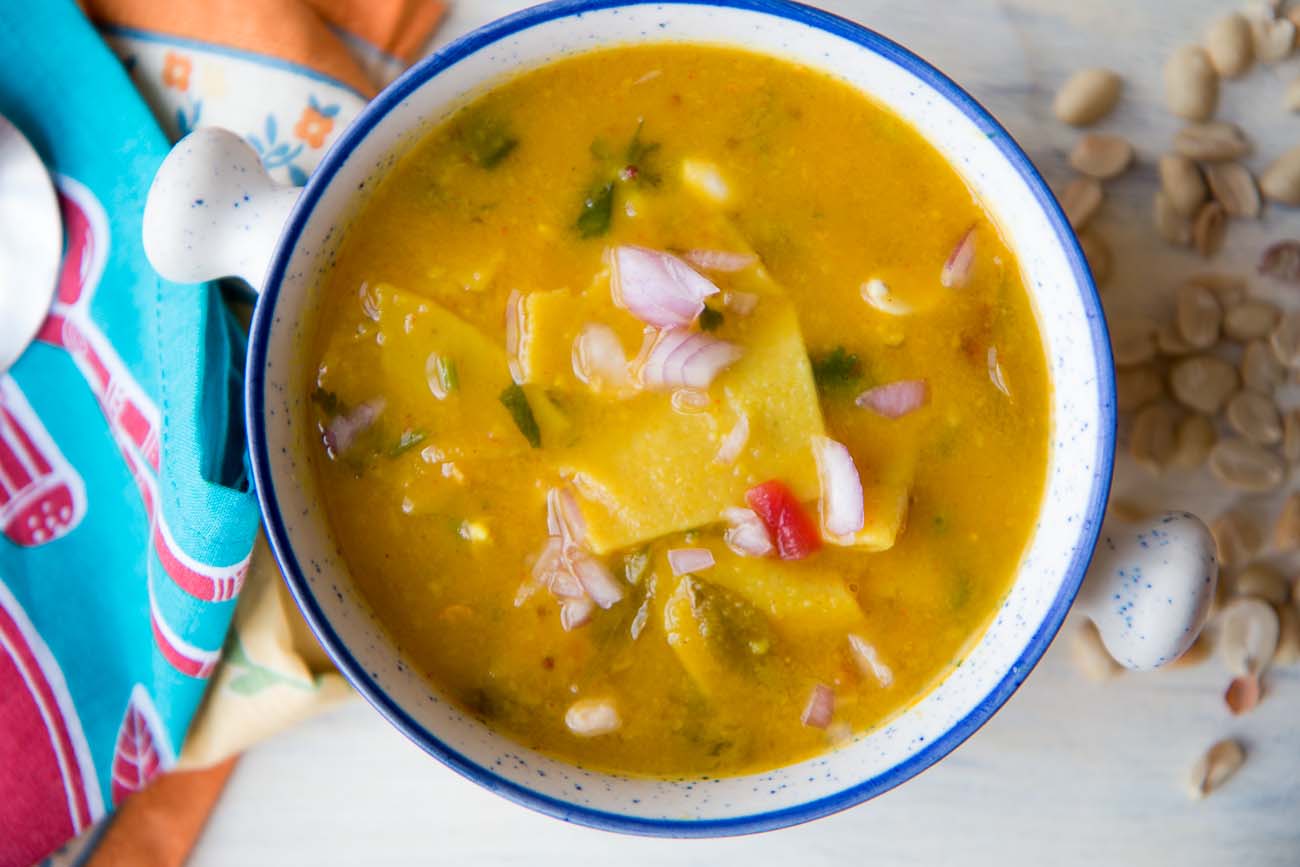
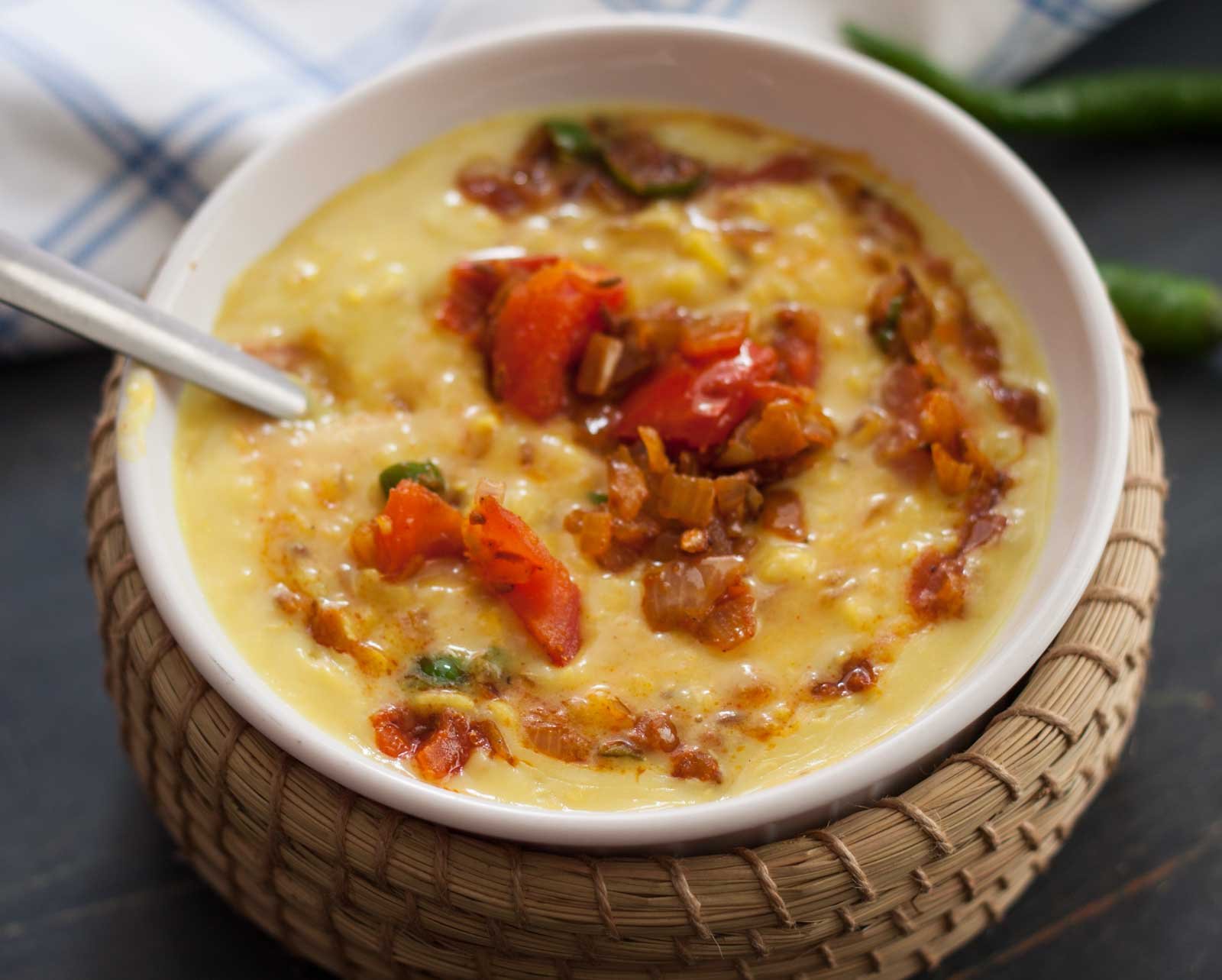
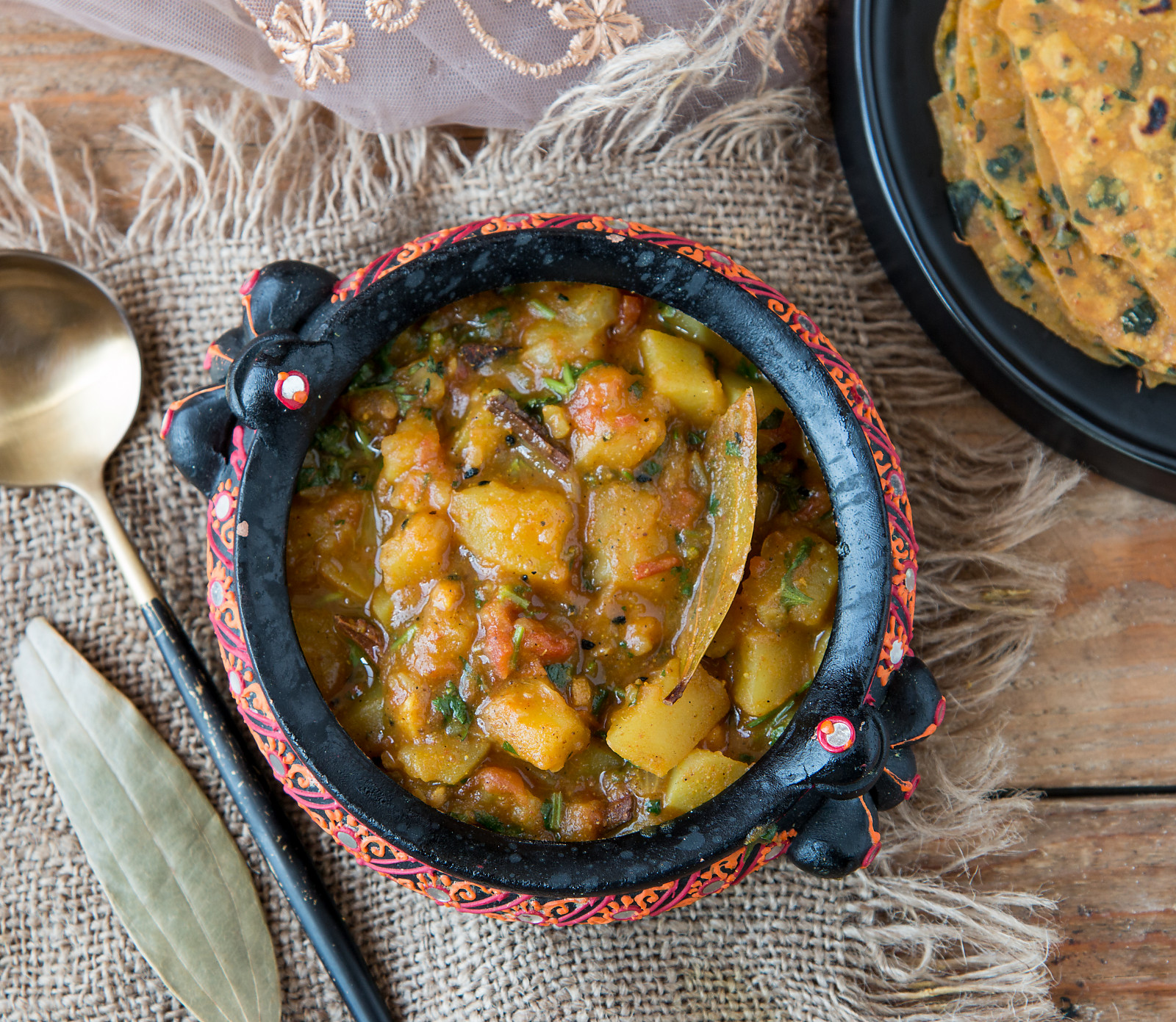
Dal dhokli with ghee
560 kcal
saturday
Breakfast
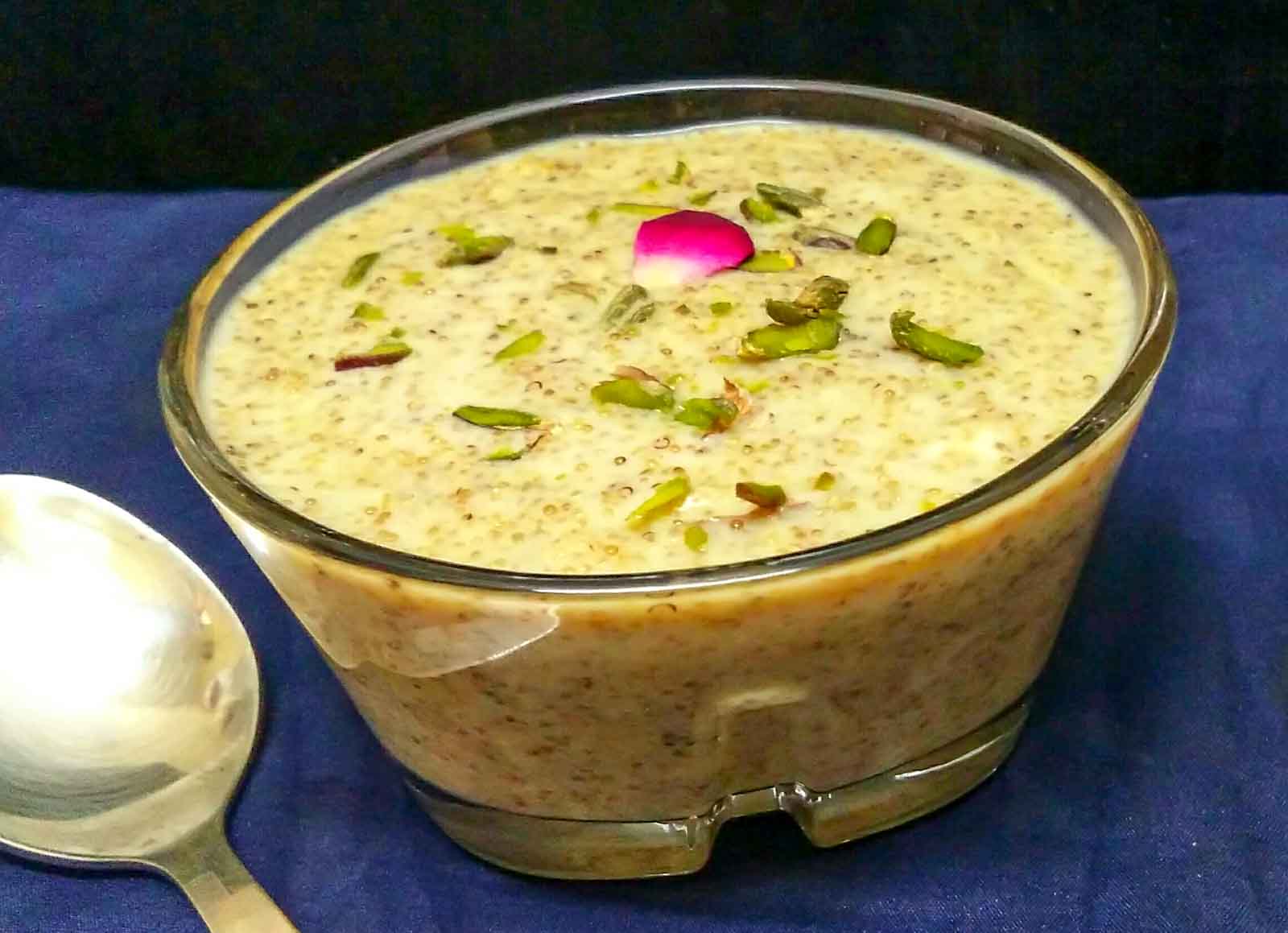
Rajgira sheera with milk
430 kcal
Lunch
Parval nu shaak with tuver dal, bhaat and rotli
550 kcal
Dinner
Whole mag with rotli
500 kcal
sunday
Breakfast
Rab with jaggery
Rab with jaggery
380 kcal
Lunch
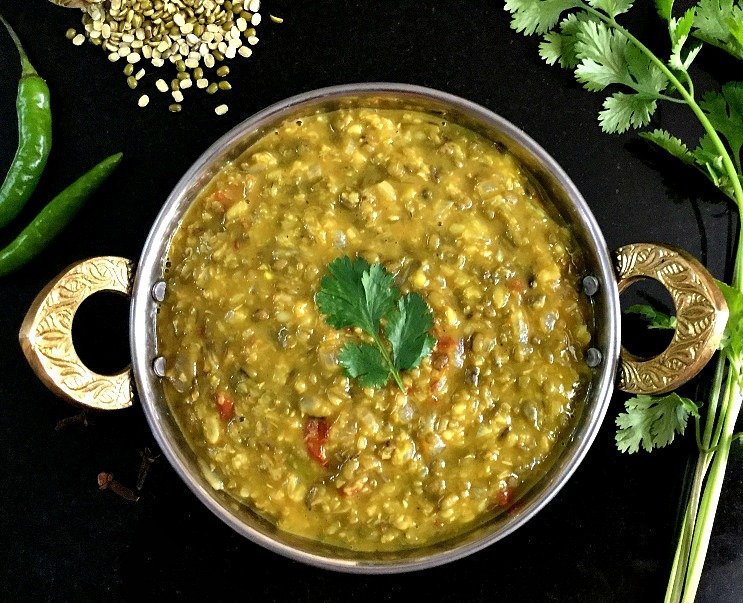
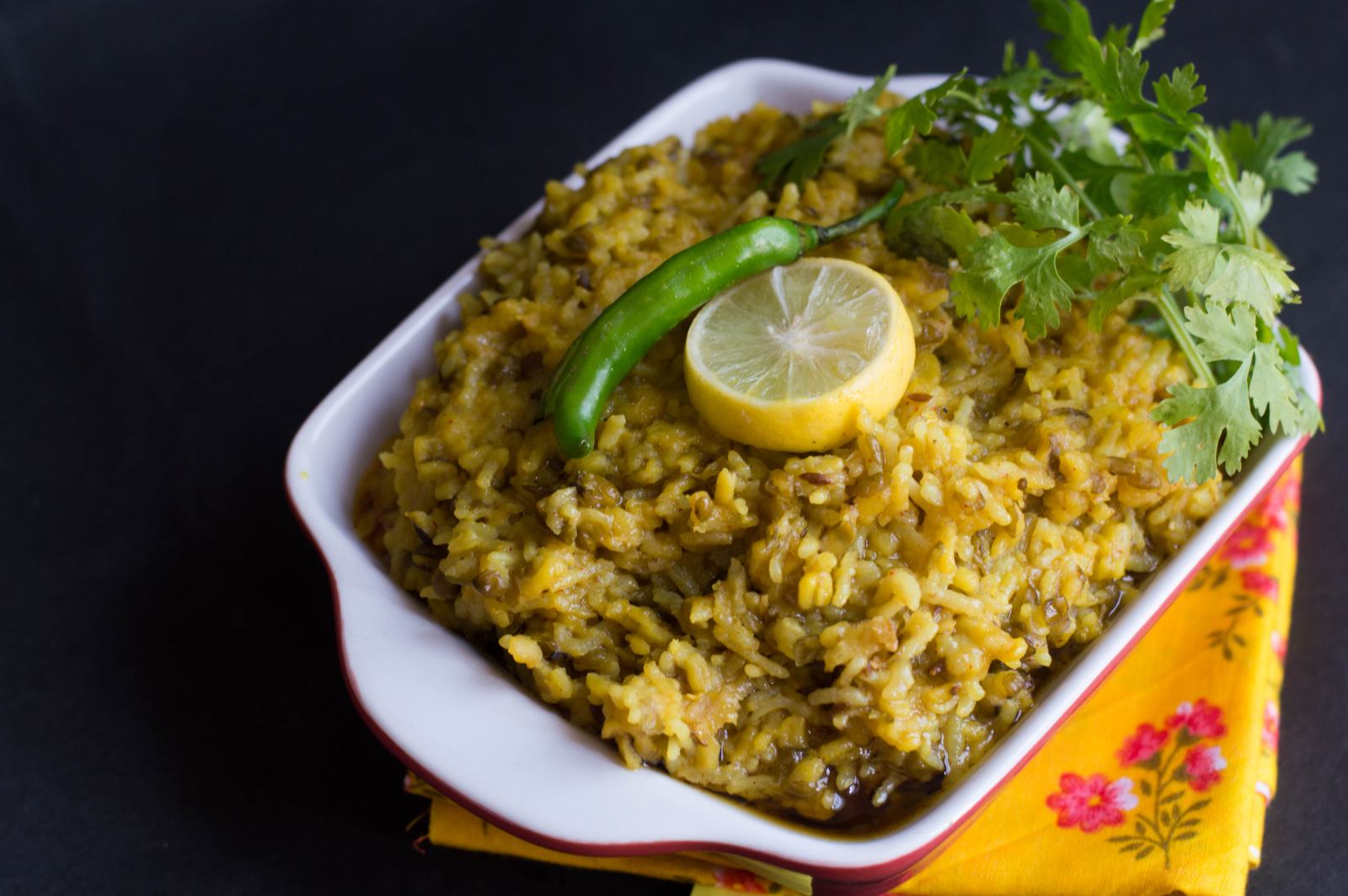
Moong dal khichdi with kadhi
520 kcal
Dinner
Mag ni dal with bhaat, ghee and lemon
460 kcal

This exact week in your own planner, every slot editable.

Like this plan?

Take all 21 meals with you — free, in a planner where you can swap any dish, build the shopping list and print the week.

Grocery list for this plan

Everything the week needs, grouped the way a market trip goes. Untick what you already have before you download.

Grocery list for the week
41 of 41 items selected

Quantities are for the household this plan is written for. Import the plan and the planner's Shopping List will rebuild this from your own portion setting, including anything you change in the week.

Every dish in this week

21 dishes across seven days. Each links to a recipe video search — and once the plan is in your planner, you can save one video per meal so it is remembered next time.

Similar meal plans

JainGujarati

Jain Meal Plan

A full week of Jain cooking without onion, garlic or any root vegetable — built the way Jain kitchens actually build flavour, with hing, ginger powder, tomato and fresh coriander.

Calories per day
1,470 kcal/day
Estimated weekly cost
2,800/week
Preparation time
40 min/day
Difficulty
Moderate
See the full week
VegetarianGujarati

Gujarati Shravan Meal Plan

Two proper farali days built on moraiyo, rajgira and sabudana, satvik ghar nu khavanu in between, and a fafda-jalebi Sunday — the whole week without onion or garlic.

Calories per day
1,460 kcal/day
Estimated weekly cost
2,800/week
Preparation time
40 min/day
Difficulty
Moderate
See the full week
VegetarianMaharashtrian

Maharashtrian Shravan Meal Plan

A fully satvik Shravan week — Shravani Somvar upvas food, chane for the Friday Jivti puja, aluchi patal bhaji, and patoli with puran poli on Sunday. No onion, no garlic anywhere.

Calories per day
1,480 kcal/day
Estimated weekly cost
2,500/week
Preparation time
45 min/day
Difficulty
Moderate
See the full week
See all ready-made meal plans

Questions about this plan

What can we eat during Paryushan?
Dals, grains, milk and ghee, and vegetables that are neither roots nor leaves — the gourds above all: dudhi, turiya, tindora, parval. Tomato, green chilli, capsicum and peas are used in most Jain kitchens, and fresh fruit is fine if it is cut and eaten straight away. What goes are root vegetables, every leafy green, anything fermented overnight, sprouts, and stale or reheated food. Everything in this week is built from what remains.
Are green vegetables allowed during Paryushan?
Leaves are not — spinach, methi, cabbage, and also coriander, mint and curry leaves, which is why there is no green chutney anywhere in this week and no fresh garnish on any dish. Green vegetables that are not leaves are a different matter: the gourds, green chillies, peas and beans are all used here. Lemon and dhana jeeru do the work that fresh coriander usually does.
Can we eat curd during Paryushan?
Practice varies, and this week takes the common middle line: curd set fresh that same morning is used, in the kadhi and the muthiya batter, while nothing is left to ferment overnight and nothing is eaten stale. If your family sets dahi aside for the whole parva, replace the two kadhi meals with tuver dal and the muthiya with a plain masala thepla — both are already in the week, and the grocery list covers them.
What is chauvihar, and how does it change the cooking?
Chauvihar is taking no food or water after sunset, until navkarsi — about forty-eight minutes after sunrise — the next day. In practice it moves dinner an hour or two earlier, so every dinner here is a one-pot or quick meal: khichdi, khichu, dal dhokli, mag with rotli. None of them need you to start cooking at eight in the evening.
What is the difference between upvas, biyasan, ekasana and ayambil?
Upvas is a complete fast — no food, only pre-boiled water, and only in daylight. Ekasana is one sitting before sunset, biyasan is two. Ayambil is one very plain meal with no oil, ghee, milk, curd or sugar and almost no spice, usually built on a single grain: boiled rice or khichdi with a little salt and dry ginger is the everyday version. If you are keeping biyasan, cook the lunch and dinner columns of this week and leave the breakfast one; for ekasana, cook the lunch.
What do you eat on parna day?
Parna is the meal that breaks the fast, the morning after Samvatsari, and it starts with liquids rather than food: rock-candy water first, then moong nu pani, and sugarcane juice at community parna. Soft whole green moong with a light hing tempering comes next, then khichdi with ghee and a small piece of sukhadi. Whole green moong, jaggery and ghee are all on the grocery list, so nothing extra is needed for it.
Paryushan does not start on a Monday. How do I line this week up?
The seven days are written in order, day one to day seven, and the grid labels them Monday to Sunday only because that is how the planner stores a week. Import it and then move the dishes to the days you need — every slot can be edited or swapped once the week is in your planner.
When is Paryushan?
Shvetambar Paryushan is eight days ending on Bhadrapada Shukla Panchami, which is Samvatsari, so it moves by about eleven days each year and falls between mid-August and mid-September. In 2026 it runs 8 to 15 September, with Samvatsari on 15 September and parna on the morning of 16 September. Digambar Das Lakshana follows, 16 to 25 September, ending on Kshamavani. Confirm against your local panchang.